Alpine Gold Exchange Review 2026: What It Offers and What to Confirm First
Alpine Gold Exchange is a precious-metals dealer that also operates vaulted accounts, a leasing programme and a card. This review reports what can be verified from primary sources, and states plainly where a fact is simply not published.
We do not tell you whether to use Alpine. We report what is checkable, name what is absent, and leave the judgement with you.
- Alpine states it was established in 2012, and gives its entity name as “NAMX dba Alpine Gold Exchange” (captured 24 September 2026).
- Alpine publishes eleven locations across eight states, not the two that dealer comparisons usually name. Its BBB-registered address is in Alpine, Utah.
- Alpine Gold Exchange holds an A+ rating from the Better Business Bureau and is listed by the BBB as an accredited business (BBB business ID 90044420, BBB Mountain West & Pacific Southwest; captured 24 September 2026). The BBB publishes no accreditation start date on any surface we could reach.
- Alpine offers vaulted storage and does not publish who operates the vault or holds the metal. It names an insurer and an audit cadence, and vaulting is allocated by type rather than by serial number or specific piece.
- The exit changed on 22 September 2026. Alpine established a daily “appetite” for member sell-backs and moved the individual allowance from $10,000 per month to $2,500 per week.
- We could not verify any independent review presence. Alpine publishes no rating or review count of its own, and the review platform we tried to check was unreachable from our systems.
Alpine Gold Exchange comes up constantly in Goldback coverage, including ours, and is usually described rather than checked. This page checks it. Everything below was read from Alpine’s own English-language pages, from the BBB’s own host, or from the United Precious Metals Association’s own site, on 24 September 2026. Where a source could not be reached, that is recorded as blocked rather than filled in from somewhere weaker.
This is educational content, not financial advice, and not a recommendation.
What Alpine Gold Exchange Is
Alpine states it was established in 2012, and gives its entity name as “NAMX dba Alpine Gold Exchange” (captured 24 September 2026). Alpine’s About page describes the business as a response to the Utah Legal Tender Act of 2011. That statute recognises gold and silver coin issued by the federal government as specie legal tender in Utah; it does not reach privately issued notes.
We publish the founding year Alpine states and deliberately do not convert it into a length of time in business. A year is what Alpine publishes; a tenure would be our arithmetic dressed up as its claim.
Alpine is a dealer and a vaulting-and-account provider, not a bank, not a broker, and not a registered financial adviser. Nothing it offers carries federal deposit insurance.
The UPMA Relationship, as Both Parties Describe It
Alpine describes itself as a partner of the United Precious Metals Association (UPMA). UPMA describes Alpine as a provider of vaulting and supportive services to UPMA’s membership, and describes itself as a cooperative operating on a non-profit basis (both captured 24 September 2026).
Those two descriptions are not contradictory, but they are not identical either, and the difference is worth holding onto: Alpine leads with partnership, UPMA leads with service provision to its own members. Neither party describes ownership, a merger, or a parent-and-subsidiary link in any direction. If you have seen Alpine and UPMA treated as the same organisation, that is a shorthand neither of them uses.
What Alpine Sells
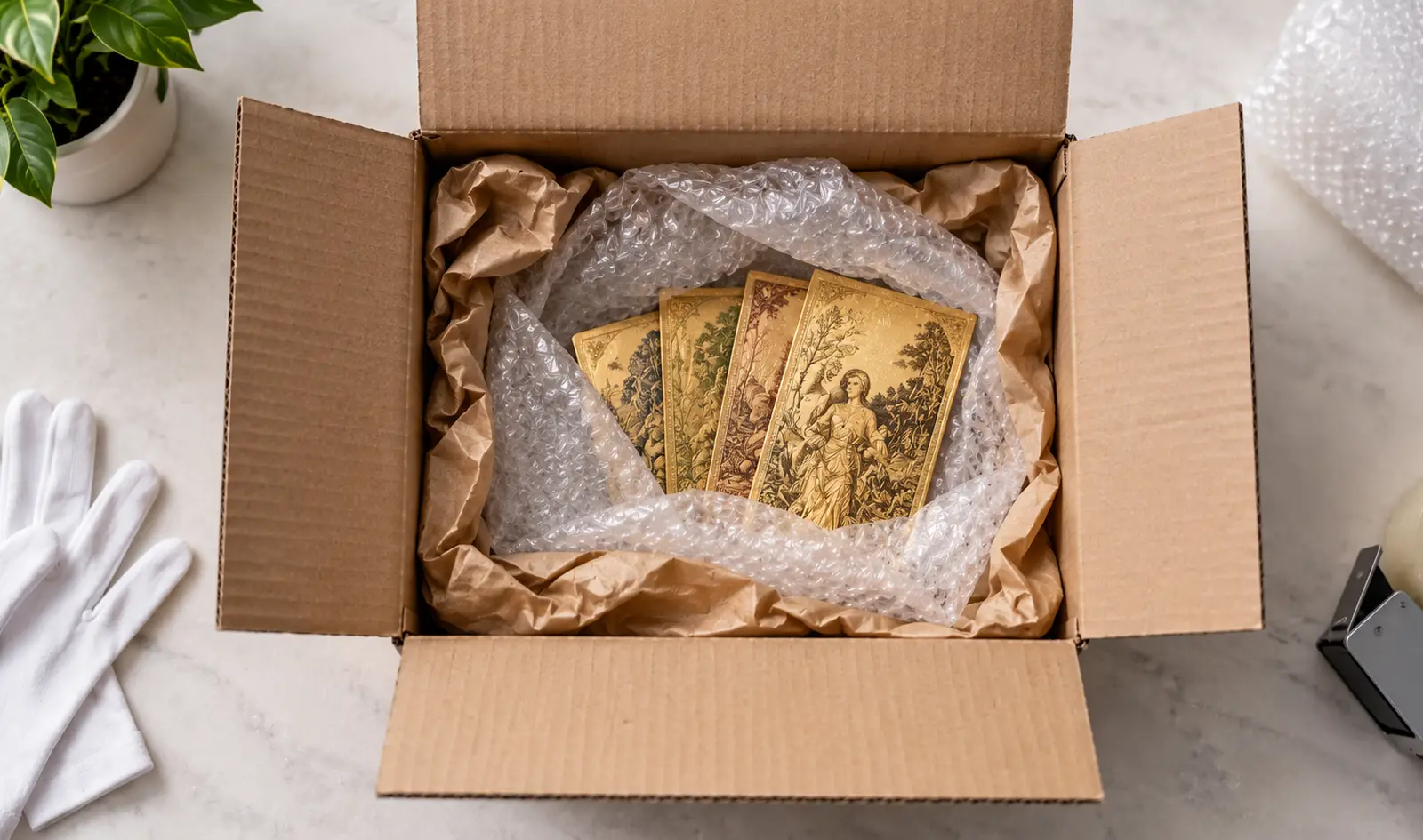
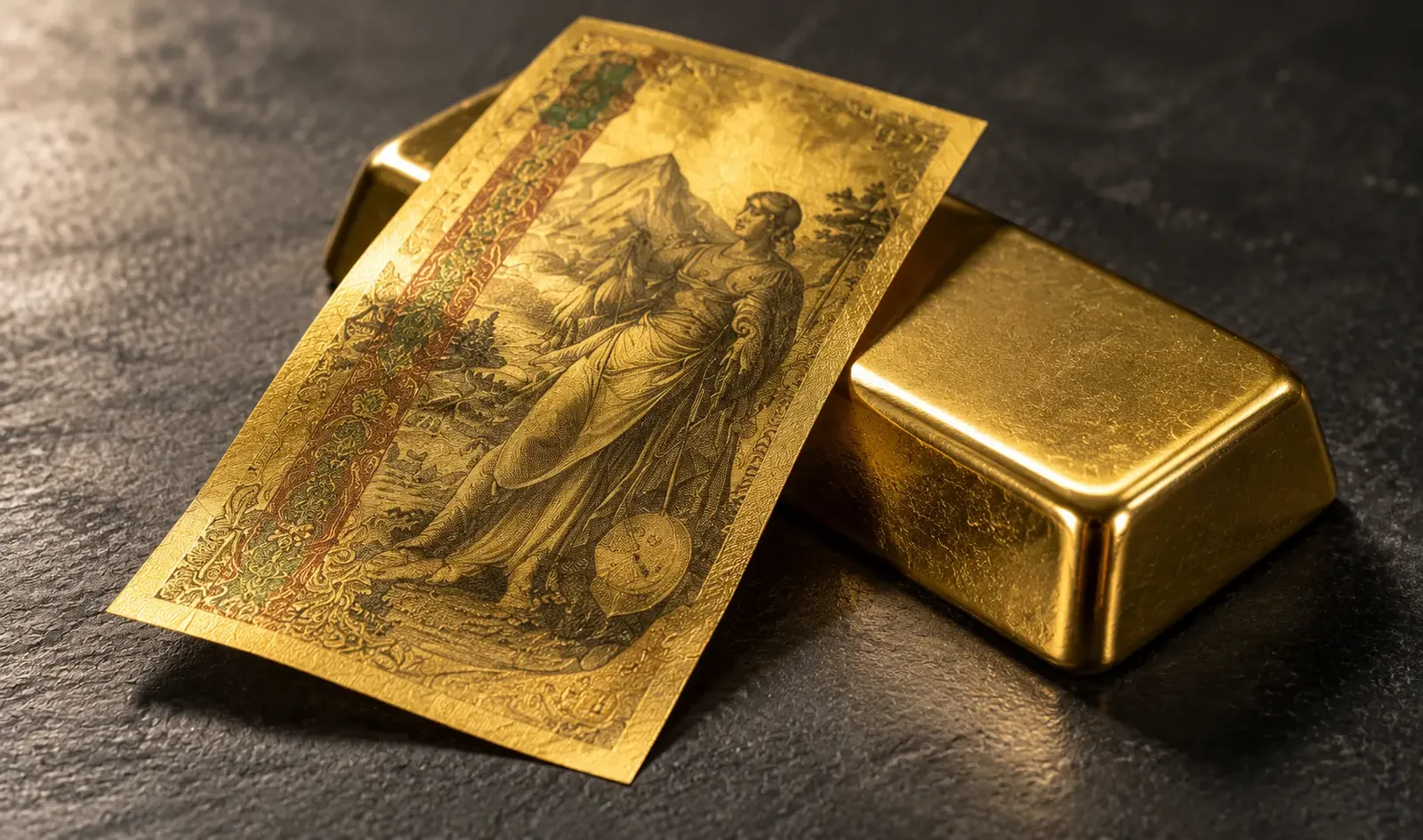
Alpine’s catalogue centres on Goldbacks alongside gold and silver bullion products. Goldbacks are privately issued notes containing a published quantity of gold, produced by Valaurum using the Aurum vacuum-deposition process for Goldback Inc.. There are currently 9 state series with a full lineup: Utah, Nevada, New Hampshire, Wyoming, South Dakota, Arizona, Florida, Oklahoma, Idaho (captured 2026-07-24).
For a buyer, the practical distinction is that Alpine carries Goldback inventory in depth where a general bullion dealer typically carries a selection. We have not verified Alpine’s inventory breadth against a competitor’s as part of this review, and our dealer comparisons that do address it should be read with their own capture dates.
Goldbacks are not legal tender, and no dealer’s inventory changes that. What you are buying is a privately issued note whose gold content is published and whose acceptance is voluntary.
Prices, availability, denominations and promotions change without notice. Verify the live listing before ordering.
We may earn a commission at no additional cost to you. This coverage may not be neutral or independent.
The product link above goes to Alpine’s Goldback catalogue because this section is about buying notes. Account and vaulting links elsewhere on this page go somewhere different, deliberately.
Where Alpine Gold Exchange Has Locations
Alpine publishes eleven locations across eight states, including Ogden, Utah and Casper, Wyoming; its BBB-registered address is in Alpine, Utah (captured 24 September 2026).
This matters because dealer comparisons, including several of ours, have historically named Casper and Ogden and left it there. That understates the footprint. The full published set, read from Alpine’s contact page and branch pages on 24 September 2026:
| Location | Address as Alpine publishes it |
|---|---|
| Alpine, UT | 375 S Main St. Suite 100, Alpine, UT 84004 |
| Provo, UT | 275 N University Ave, Provo, UT 84601 |
| Ogden, UT | 620 24th St Suite D, Ogden, UT 84401 |
| Vernal, UT | 877 W. Hwy 40 Vernal, UT, 84078 |
| Manchester, NH | 1800 Elm St, Manchester, NH 03104 |
| Sioux Falls, SD | 2115 S. Minnesota Ave Suite B Sioux Falls, SD 57105 |
| Casper, WY | 111 West Second Street, Suite 103, Casper, WY 82601 |
| Delray Beach, FL | 4900 Linton Blvd, Suite 26, Delray Beach, FL 33445 |
| Mesa, AZ | 7319 S Atwood, Ste. 103, Mesa, AZ 85212 |
| Laughlin, NV | 3080 South Needles Highway, Suite 2500, Laughlin, NV 89029 |
| Star, ID | 12545 W State Street, Suite 101, Star, ID 83669 |
Eleven locations across eight states: Utah, New Hampshire, South Dakota, Wyoming, Florida, Arizona, Nevada and Idaho. Addresses are Alpine’s own published text, captured 24 September 2026. Branch details change; confirm before travelling.
Our own location guides go further on two of these branches: the Ogden, Utah guide and the Casper, Wyoming guide cover what each one offers a visitor.
Accounts, Vaulting and Leasing at a Glance
Alongside over-the-counter and online sales, Alpine operates three things a plain bullion dealer generally does not, and each has its own full review on this site rather than being compressed here.
- A metal-denominated account. Balances are held in physical gold, silver and Goldbacks rather than dollars, with a card option that liquidates metal at the point of sale. Our Alpine Gold Account review covers the structure, the former “UPMA account” naming, and what to establish before funding one.
- A rewards programme that gates the zero-spread benefit. The 0% liquidation spread is delivered by applying points from a Deposit Rewards balance, subject to a weekly point ceiling and to daily capacity, rather than being a property of being a customer. Our Deposit Rewards guide works through the mechanics and lists what Alpine has not published.
- A leasing programme paying a return in metal on stored gold or Goldbacks, tiered by leased value. Lease returns are not guaranteed and carry counterparty risk. Our Alpine Gold leasing review sets out the published terms and the discrepancies between Alpine’s own documents.
On costs, Alpine publishes categories rather than a single schedule you can price a plan against: membership dues, vaulting fees, and transaction, delivery and card fees charged separately. Alpine states that vaulting fees may apply and can be waived if you choose to lease your metals (captured 24 September 2026). It publishes no standard market spread figure, and does not publish what a rewards point is worth, so whether the benefits offset the costs cannot be worked out from published terms alone. That is a verified absence, not an oversight on our part.
Lease rates, minimums, fees and exit terms are set by Alpine and may change. Returns are paid in metal and are not guaranteed.
We may earn a commission at no additional cost to you. This coverage may not be neutral or independent.
Custody: What Alpine Publishes, and What It Does Not
This is the section we would read first, and it is the one where the honest answer is partly an absence.
What Alpine publishes. Alpine states that vaulted metals are held in a physical vault, insured through Lloyds of London, and audited quarterly (captured 24 September 2026). Alpine states that vaulting is allocated by type rather than by serial number or specific piece, so a withdrawal may not return the exact items originally deposited (captured 24 September 2026). UPMA’s own security page states that Alpine insures the full value of each gold and silver account through private insurance, and that copies of the insurance policy are available on request.
What Alpine does not publish. Alpine does not publish who operates the vault or holds the metal, and does not publish the vault’s location (checked across all 38 English pages of alpinegold.com, and on upma.org, on 24 September 2026).
We want to be exact about what that second paragraph is and is not. It is a statement about what appears on Alpine’s published pages. It is not an allegation, it is not evidence that any arrangement is deficient, and it does not imply that Alpine has withheld anything it is obliged to publish. Many dealers do not name a vault operator. We state the absence because a reader deciding where to leave gold is entitled to know which questions the published material answers and which it does not, and because this site previously named a vault operator it could not source. We removed that claim across the site on 24 September 2026 rather than leave it standing.
The allocation point deserves its own line, because it is the part most often misunderstood. Allocation by type means your holding is a claim on a quantity of a given metal or note type, not on the specific pieces you handed over. That is a normal arrangement and it is clearly stated by Alpine; it simply is not the same thing as segregated, serial-numbered storage, and a reader who assumed the latter should know the difference before depositing.
Selling Back: The 22 September 2026 Change
Any review of a dealer that also holds your metal has to deal with the exit, and Alpine’s exit terms changed recently enough that older coverage is now wrong.
On 22 September 2026 Alpine established a daily “appetite” for member sell-backs and changed the individual allowance from $10,000 per month to $2,500 per week. Alpine says the change “maintains approximately the same potential monthly allowance while preventing a small number of large transactions from consuming the available appetite on any given day”, and that it is intended to give more members regular access to that appetite.
Three things follow from that, and all three are about certainty rather than price:
- The daily appetite figure is not published. Alpine states that where secondary-market demand is limited it must temporarily restrict what it purchases each day. It has not published a threshold, a formula, the daily figure, or how long a restriction lasts.
- Whether Goldbacks are affected is not stated. The announcement names only “certain metals”. Goldbacks are not named in it, and neither are Gold Dollars or Silver Dollars. We cannot say whether they fall inside the affected scope, because Alpine has not said.
- Alpine’s own documents have not fully caught up. The Rates & Fees page still invited members to call for a quote on large liquidations at market rate when it was captured on 23 September 2026, with no reference to the daily appetite. We report both as Alpine publishes them and do not know how Alpine reconciles them.
Nothing here should be read as a statement that Alpine must buy anything back, or that a sale can be relied on to complete on a particular day. No dealer publishes an obligation of that kind, and a cadence change of this sort is precisely the thing that makes a large single-day exit less certain. If your plan depends on converting a meaningful holding to dollars quickly, that is the constraint to price in. Our guide to selling Goldbacks covers all four exit routes, and what nobody publishes about any of them.
Reputation Signals, and the Limits of What We Could Check
The Better Business Bureau
Alpine Gold Exchange holds an A+ rating from the Better Business Bureau and is listed by the BBB as an accredited business (BBB business ID 90044420, BBB Mountain West & Pacific Southwest; captured 24 September 2026). That came from the BBB’s own search host, not from a seal image and not from Alpine’s description of itself.
Three caveats travel with it, and none is optional:
- No accreditation date exists that we could reach. The BBB does not publish an accreditation start date on any surface we could reach, so we cannot say how long Alpine has been accredited. Any page that names a start year, or a number of years, is not reading a published source.
- The BBB profile page itself was blocked. It returned a Cloudflare challenge to us on every attempt, while the BBB’s own homepage loaded normally in the same session. So the block is specific and real, and we did not route around it through an aggregator or a cached copy.
- Accreditation is indexed at the business level, and the flag is not uniform across address records. The Utah records carry it; we are therefore stating it for the business rather than attaching it to any individual branch.
A BBB rating is a signal about complaint handling and BBB’s own criteria. It is not an audit of custody, solvency or pricing, and it is worth exactly what it is.
Independent Reviews
We were unable to reach the major independent review platform we attempted from our systems on 24 September 2026, so we cannot report an independent review rating or volume for Alpine. Alpine itself publishes no review rating or review count on its site.
That is deliberately a double negative rather than a verdict. Our request never reached content, so we cannot even confirm whether a profile exists, and a zero from a blocked request would mean nothing. Alpine’s own site carries a review platform in its theme, but the badges are hidden and no rating or count is rendered. Anyone quoting you a star rating for Alpine should be asked where they read it and on what date.
What to Confirm Before Using Alpine
Everything above is a snapshot of published material on one day. These are the checks worth running against current pages before you commit money, and they are the same checks we would run against any dealer holding metal on a customer’s behalf.
- Get the current fee schedule for what you actually plan to do, in writing. Membership dues, vaulting, delivery, wires and card fees are separate, and the categories published on a marketing page are not a quote.
- Establish what any percentage is a percentage of. A spread quoted against an unpublished market reference does not tell you what you will receive.
- Ask who operates the vault and where it is, and ask for the insurance certificate. UPMA states policy copies are available on request. If that matters to you, ask before depositing rather than after.
- Confirm that allocation by type is acceptable to you, given that a withdrawal may not return the exact pieces you deposited.
- Ask how the daily sell-back appetite and the $2,500 weekly allowance apply to the specific metals you hold, including whether Goldbacks are in scope, since the announcement does not say.
- Check the current lease status and terms in your account rather than on a marketing page. Availability fields on this programme have changed more than once.
- Date everything you are told. Every figure on this page carries a capture date for the same reason: these terms move, and an undated claim cannot be checked later.
Methodology
This review reports what Alpine and third parties publish, and what they do not. The second half only means something if the method behind it is stated, so here it is.
- Primary sources only. Alpine’s own pages, the BBB’s own host, and UPMA’s own site, read directly. No aggregator, directory, forum post or secondary article was used as evidence of any term or rating.
- Full sweep, not a sample. All 38 English pages of alpinegold.com were enumerated from the site’s own sitemap and fetched, rather than guessed at or spot-checked.
- Absences were swept, not assumed. A positive control was asserted on every fetch, so a nil result reflects absent content rather than a blocked or failed request. Two pages returned server errors on a first pass, were re-fetched successfully, and only the successful captures were counted.
- Blocked sources are reported as blocked. The BBB profile page and the review platform were both unreachable from our systems. They are recorded as unverified, never as absent, and never filled in from a substitute source.
- English locale only. Alpine’s non-English pages were excluded deliberately: one of them retained a provision the English page had already dropped, so treating it as corroboration would have produced the opposite of the truth.
- Capture dates, never vendor timestamps. Everything here was read on 24 September 2026. Alpine’s sitemap and product timestamps describe its own systems rather than when content changed, so they are not used as dates anywhere.
- Alpine’s claims stay attributed to Alpine. Where Alpine characterises its own service, that is relayed as its statement and not adopted as ours.
Frequently Asked Questions
Is Alpine Gold Exchange a legitimate company?
Alpine states it was established in 2012 under the entity name “NAMX dba Alpine Gold Exchange”, publishes eleven locations across eight states, and is listed by the BBB with an A+ rating as an accredited business (captured 24 September 2026). Those are verifiable facts and you can check each one yourself. Whether they add up to a company you want to hand metal to is a judgement we are not going to make for you, and anyone making it for you should be asked what they checked.
Who holds the gold in an Alpine vaulted account?
Alpine states the metals are held in a physical vault, insured through Lloyds of London and audited quarterly, and that vaulting is allocated by type rather than by serial number. Alpine does not publish who operates the vault or holds the metal, and does not publish the vault’s location (checked across all 38 English pages of alpinegold.com, and on upma.org, on 24 September 2026). If that answer matters to your decision, ask Alpine directly before depositing.
Is Alpine Gold Exchange the same as UPMA?
No, and neither party describes it that way. Alpine describes itself as a partner of UPMA; UPMA describes Alpine as a provider of vaulting and supportive services to its membership, and describes itself as a cooperative operating on a non-profit basis (both captured 24 September 2026). Neither describes ownership or a merger.
How long has Alpine been BBB accredited?
We cannot tell you, and nor can any source we could reach. The BBB publishes no accreditation start date on any surface available to us, and the BBB profile page returned a challenge rather than content. A number in answer to this question would be invented.
What does Alpine charge?
Alpine publishes fee categories rather than a schedule you can price a plan against: membership dues, vaulting fees, and separate transaction, delivery and card fees. It states vaulting fees can be waived if you lease your metals. It publishes no standard market spread figure and does not publish what a Deposit Rewards point is worth, so the net cost of a plan cannot be derived from published terms. Ask for the schedule that applies to what you intend to do.
Can I sell my metal back to Alpine whenever I want?
Not without limits, and nothing obliges Alpine to buy. Since 22 September 2026 member sell-backs are subject to a daily appetite Alpine sets and does not publish, and to an individual allowance of $2,500 per week in place of the previous $10,000 per month. Alpine has not said whether Goldbacks are among the affected metals.
Does Alpine have good customer reviews?
We could not verify any independent review presence for Alpine. The review platform we attempted was unreachable from our systems on 24 September 2026, so we have no rating, no volume, and no confirmation that a profile exists. Alpine publishes no rating or review count on its own site either.
Bottom Line
Alpine Gold Exchange is unusual among Goldback sellers in being a dealer, a vaulting provider, an account operator and a lessor at once. That breadth is the reason to consider it and the reason to check it carefully, because each of those roles carries a different question and the answers are not equally well published.
What is verifiable: a 2012 founding year stated by Alpine, eleven locations across eight states, a BBB A+ rating and accredited listing from the BBB’s own host, a named insurer, a stated quarterly audit cadence, and an allocation basis stated clearly enough to act on. What is not published: who operates the vault or holds the metal, and where it is, the daily sell-back appetite, what a rewards point is worth, the standard market spread, and any accreditation start date.
That second list is not an accusation, and we would say the same of most dealers in this market. It is the list of questions to put to Alpine directly before your money is in, rather than after. Read the account review before funding an account, the leasing review before leasing, and the selling guide before you need the exit rather than when you do.
Lease rates, minimums, fees and exit terms are set by Alpine and may change. Returns are paid in metal and are not guaranteed.
We may earn a commission at no additional cost to you. This coverage may not be neutral or independent.
Educational content only, not financial advice and not a recommendation. Alpine Gold Exchange is a precious-metals dealer and vaulting provider, not a bank, and nothing it offers is FDIC-insured. Goldbacks are privately issued and are not legal tender under 31 U.S.C. § 5103; merchant acceptance is voluntary everywhere. Company terms, fees, locations, accreditation status and buy-back conditions change without notice; every figure here carries the date we read it, and should be confirmed against Alpine’s current pages before you rely on it. Past performance does not guarantee future results.
Continue Reading