How Are Goldbacks Made? The Valaurum Process Explained
Goldbacks look almost impossible. Real 24-karat gold, precisely measured, sealed as spendable currency notes thin enough to fit in your wallet — that's a genuinely difficult manufacturing challenge. The technology that makes it work is called Valaurum, and understanding how Goldbacks are made explains why they cost what they do and why they're difficult to counterfeit.
Here's the full process, in plain English.
- Goldbacks are made by Valaurum using a patented vacuum deposition process that seals 24-karat gold between polymer layers.
- The gold is real and measurable, not symbolic or digital — a 1 Goldback holds 1/1,000 troy ounce.
- The manufacturing process is why Goldbacks carry a premium over melt value: you are paying for fabrication and artwork as well as metal.
- The polymer layers make the notes durable enough to handle and spend, which is the point of the format.
- Gold content is identical across every state series — the manufacturing differs only in the artwork applied.
The Short Answer
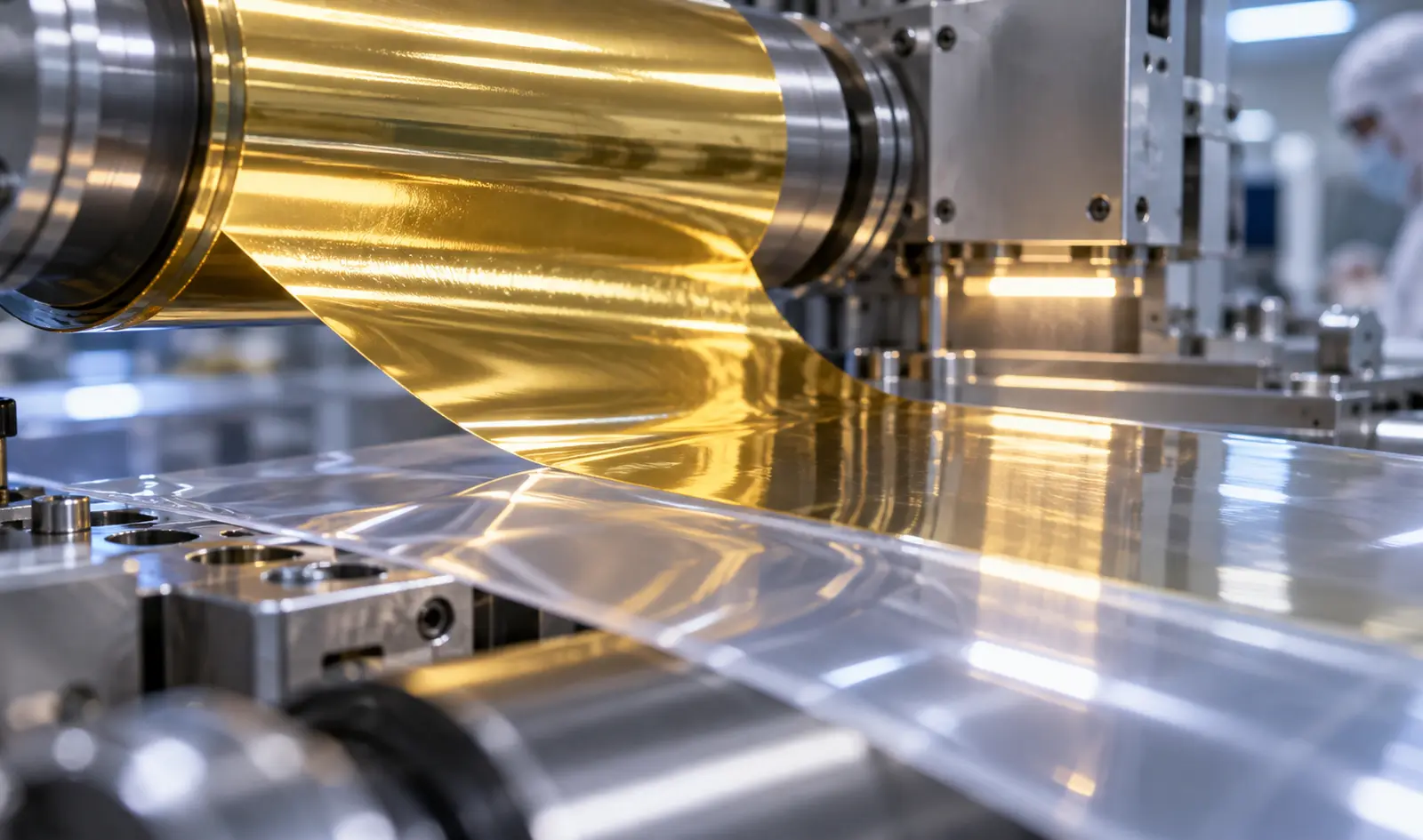
Goldbacks are made using vacuum deposition — a process where gold is vaporized in a vacuum chamber and deposited in a precisely controlled layer onto polymer substrate. The gold layer is then sealed between two protective polymer sheets, artwork is printed, and security features are added.
The process is patented by Valaurum, Inc., which supplies the manufacturing technology and equipment to Goldback Inc. for state-series production.
The result: flexible, durable currency notes containing verifiable, precise amounts of .999 fine 24-karat gold.
Step-By-Step: How a Goldback Is Made
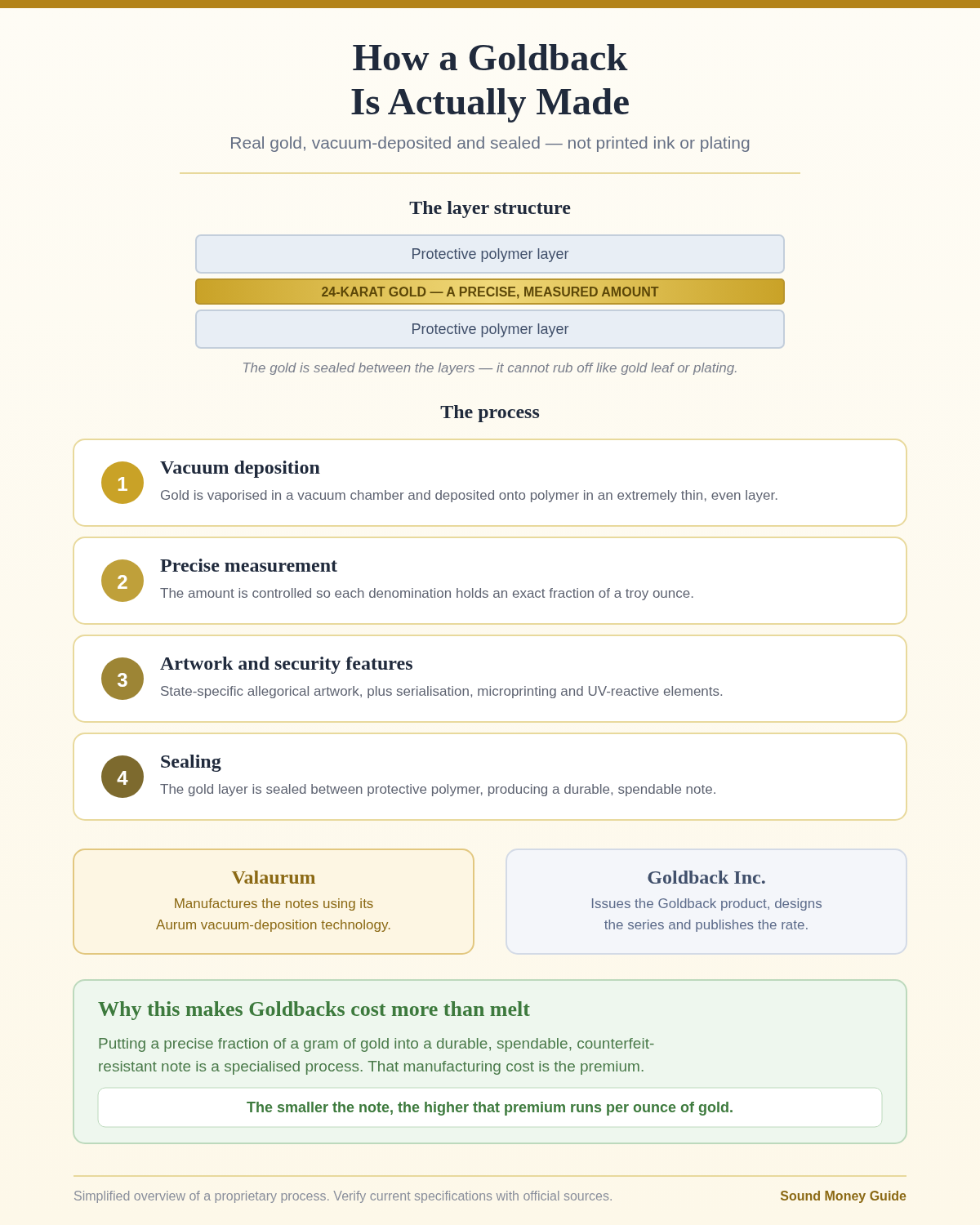
Gold is vacuum-deposited and sealed between polymer layers — it cannot rub off.
Step 1: Design and Pre-Production
Before any gold is deposited, each state series goes through extensive design:
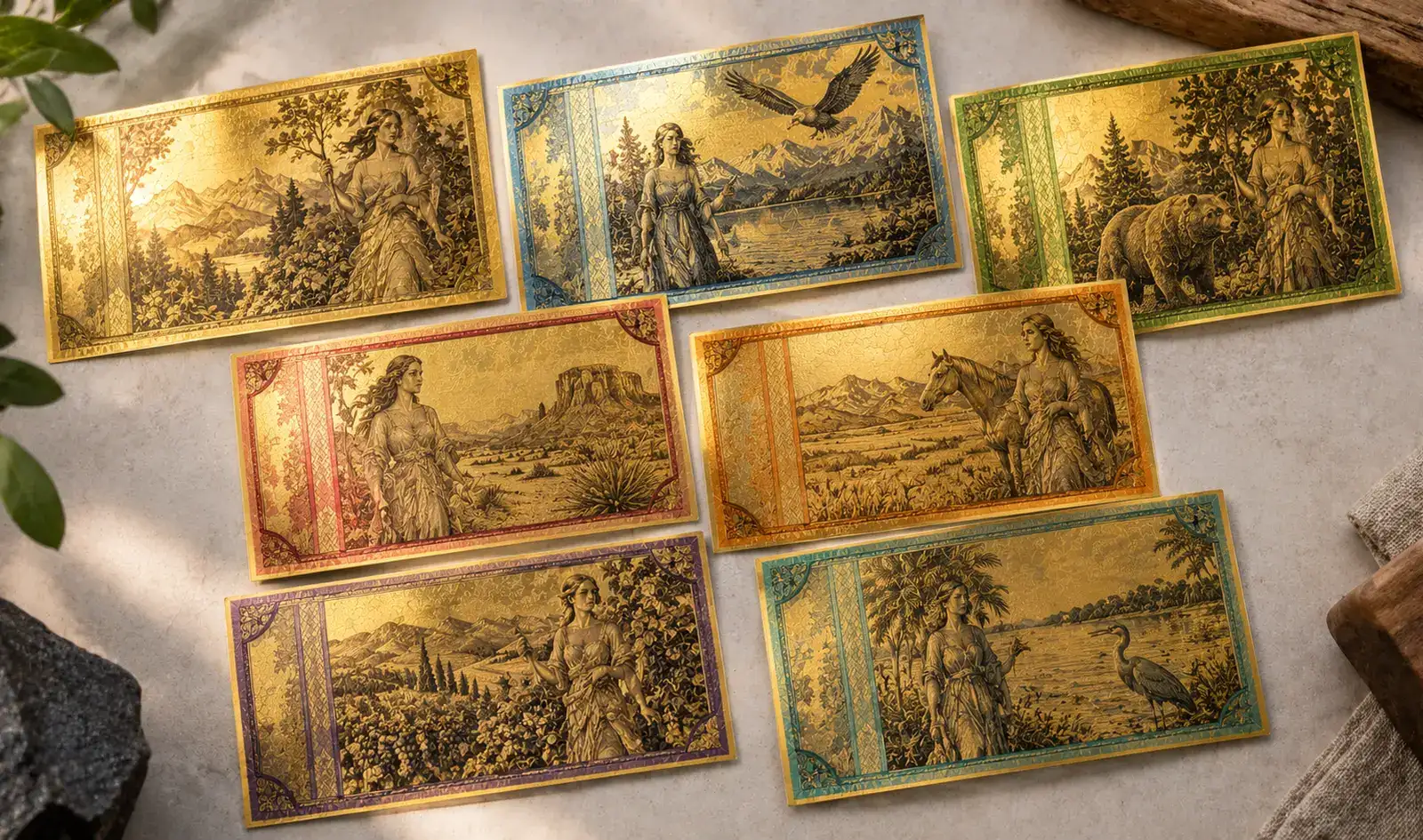
- Artwork design — allegorical figures, virtues, state-specific themes
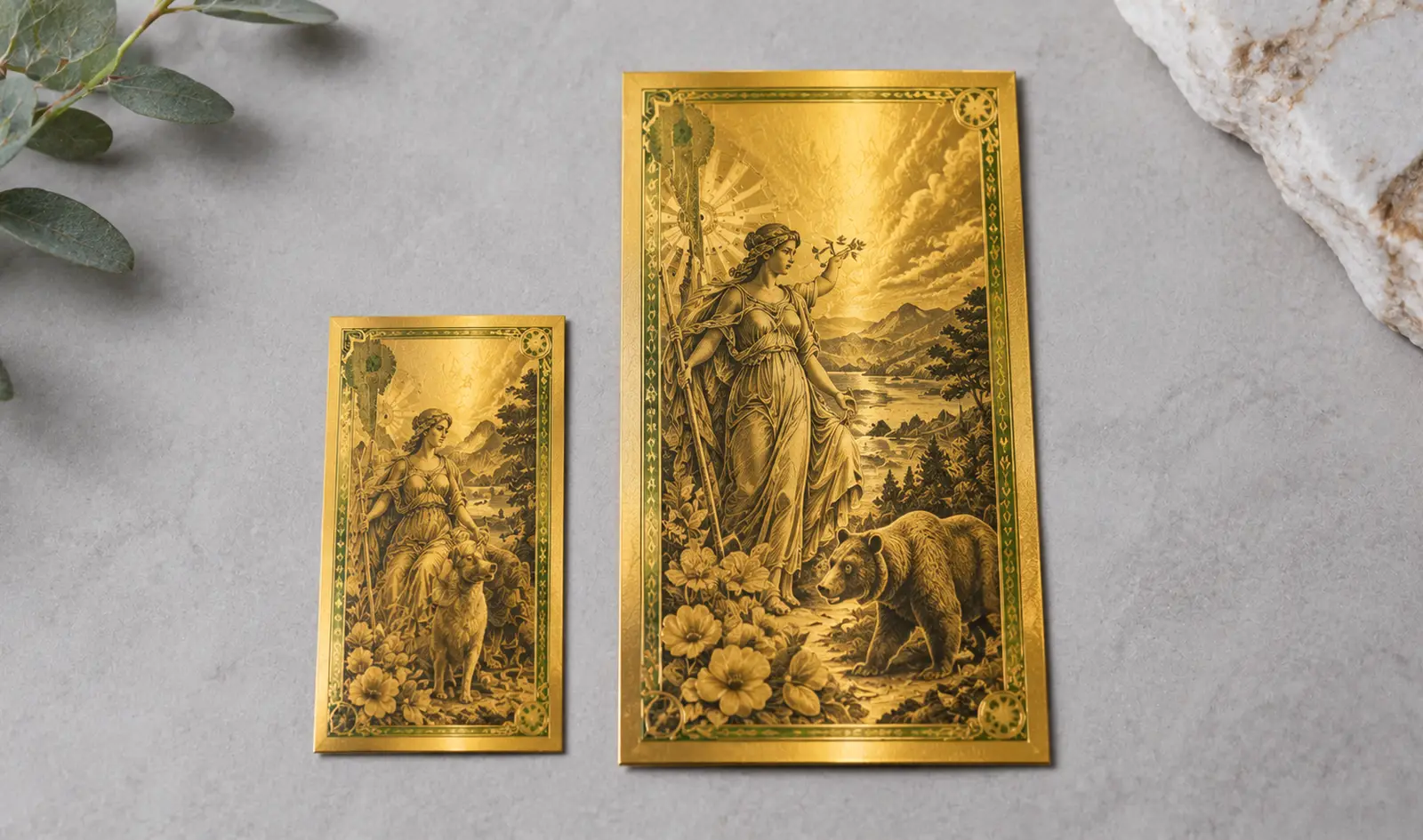
- Denomination sizing — the physical dimensions differ subtly between denominations
- Security feature planning — microprinting locations, UV-reactive elements, serialization
- Legal and quality specifications — meeting Valaurum production standards
This design phase can take months before the first note is produced.
Step 2: Polymer Substrate Preparation
The base of every Goldback is a specialized polymer sheet — engineered to be:
- Optically clear enough to show artwork through it
- Chemically stable to bond with gold at the molecular level
- Physically flexible to fold and handle without damage
- Long-lasting to preserve the gold layer for decades
This isn't standard plastic. It's engineered specifically for the Valaurum process.
Step 3: Vacuum Deposition (the Core Process)
This is where the actual gold gets onto the note. Inside a vacuum chamber:
1. Pure 24-karat gold is heated until it vaporizes into individual atoms and molecules 2. The vacuum environment ensures the gold vapor doesn't oxidize or contaminate 3. The polymer substrate passes through the chamber at a precisely controlled speed 4. Gold vapor deposits onto the polymer in an incredibly thin, precisely measured layer 5. Thickness is monitored to nanometer precision — this is what enables exact fractional weights
The thickness of the gold layer determines the note's denomination. A 1 Goldback (1/1000 oz) has a specific thickness. A 50 Goldback (1/20 oz) has a thicker layer — 50 times the base thickness.
Step 4: Protective Polymer Layer
Immediately after gold deposition, a second polymer layer is applied on top of the gold. This:
- Seals the gold molecularly — no oxygen exposure, no wear
- Protects against physical damage — folding, handling, moisture
- Prevents easy removal of the gold layer (a counterfeiting deterrent)
The result is a gold sandwich — polymer, gold, polymer — all bonded together at the molecular level.
Step 5: Artwork Printing
Once the gold-polymer sandwich is complete, the artwork is printed onto the surface layers:
- State-specific themes are printed in high resolution
- Allegorical figures are added with fine detail
- Denomination markings are prominently displayed
- State identification and Goldback branding are placed
The artwork isn't just decorative. It's part of the security features (see below).
Step 6: Security Features Integration
Multiple anti-counterfeit features are added:
- Serial number — every note is individually serialized
- Microprinting — text so small it requires magnification to read
- UV-reactive ink — reveals hidden design elements under ultraviolet light
- Raised reverse image — a tactile element on the back of the note
- Complex artwork detail — intricate designs difficult to replicate
These features make counterfeiting extremely difficult — especially at the note values ($5-$250), where counterfeiting isn't economically viable.
Step 7: Cutting and Finishing
The polymer sheets, now containing gold and printed artwork, are cut into individual note-sized pieces and inspected for:
- Weight accuracy — every note must meet its denomination's specification
- Print quality — artwork must be crisp and accurate
- Structural integrity — no delamination, no defects
- Security features — all elements must be verifiable
Notes that pass inspection are packaged and shipped to distributors and dealers.
The Valaurum Process: What Makes It Special
Valaurum's vacuum deposition process isn't the only way to make gold currency, but it's the only way to make Goldbacks specifically. Here's what's unique:
Precision at the Nanometer Scale
Gold layer thickness can be controlled to nanometer precision. This is why Goldback denominations are so exact — a 1 Goldback always contains exactly 1/1000th of a troy ounce of gold, note after note.
Molecular Bonding
The gold isn't glued or laminated onto the polymer — it's deposited at the molecular level and sealed with another polymer layer. This creates a genuinely durable finished product that lasts for decades.
Manufacturing Efficiency at Scale
Once the equipment is set up, Goldbacks can be produced at meaningful scale. Not as cheaply as standard bullion, but at prices that make sub-$10 gold notes economically viable.
Verifiability
The precise gold content can be verified chemically or by weight. Counterfeit attempts are detectable through UV features, microprinting, and physical inspection.
Why Goldbacks Cost More Than Standard Bullion
Understanding the manufacturing process explains the premium structure:
Bullion Production (Gold Bars, Coins)
- Melt gold, cast into shape, stamp with markings
- High volume, low complexity, low cost per ounce
- Result: bars trade at 5-10% premium over spot
Goldback Production (Valaurum Process)
- Vacuum deposition equipment, precision monitoring, polymer engineering
- Complex artwork design and security integration
- Fine tolerances, extensive quality control
- Result: Goldbacks trade at 40-120% premium over spot
The premium isn't dealer markup or profit. It's the actual cost of manufacturing something that standard bullion producers can't make.
For anyone wondering "why don't they just charge less?" — the answer is that Valaurum equipment, polymer engineering, and quality control processes are genuinely expensive to run. The premium reflects real production costs.
Who Makes Goldbacks
Valaurum, Inc.
The patent holder and technology supplier. Valaurum owns the vacuum deposition process and supplies equipment and materials for Goldback production.
Goldback, Inc.
The company that designs, produces, and distributes Goldback currency notes. Goldback Inc. works with Valaurum's technology to produce the actual state-series notes.
State-Specific Licensing
Each state series has its own design and production run. State-specific committees and Goldback Inc. collaborate on artwork, denomination structure, and release timing.
Distribution Network
Once produced, Goldbacks reach buyers through:
- Primary dealers like Alpine Gold Exchange
- Regional distributors (420+ across the US as of 2025)
- Local dealers and merchants (Goldback reported 5,491 participating merchants in July 2026 — company-reported)
Frequently Asked Questions
Is the gold in a Goldback real?
Yes. Each note contains real, verifiable .999 fine 24-karat gold deposited through Valaurum's vacuum deposition process. The gold layer can be chemically tested (destructively) or verified by weight and security features (non-destructively).
How thin is the gold layer in a Goldback?
Extremely thin — measured in nanometers. The exact thickness varies by denomination (thicker for higher denominations), but even a 50 Goldback's gold layer is only microscopically thick.
Can Goldbacks be melted for their gold content?
Technically yes, but not practically. The gold is molecularly bonded to the polymer substrate. Separating them requires industrial chemical processes that cost more than the gold content is worth. Goldbacks aren't designed to be melted.
Who invented Goldbacks?
Valaurum, Inc. developed the vacuum deposition technology that makes Goldbacks possible. Goldback, Inc. adapted the technology into the currency-note format and launched the first state series (Utah) in 2019.
Are Goldbacks counterfeit-resistant?
Yes. Multiple security features — serialization, microprinting, UV-reactive ink, raised reverse image, complex artwork detail — make counterfeiting extremely difficult and economically unviable at Goldback denominations.
How long does a Goldback last?
Decades. The molecular bonding of gold to polymer creates a durable, stable product. Under normal handling and storage conditions, Goldbacks are expected to remain intact for 50+ years.
Why don't standard bullion producers make Goldbacks?
Because they don't have the Valaurum technology. Standard bullion production uses casting and stamping — a completely different process than vacuum deposition. Making Goldbacks requires specialized equipment that standard mints don't have.
Bottom Line
Goldbacks are made using Valaurum's patented vacuum deposition process — real 24-karat gold vaporized in a vacuum chamber and deposited in precisely controlled layers onto engineered polymer substrate. The finished notes contain verifiable, exact fractional weights of gold, sealed for decades of durability, protected by multiple anti-counterfeit features.
The manufacturing complexity is genuine, which is why Goldbacks cost more per ounce than standard bullion. In exchange, you get fractional gold ownership, spendability, collector potential, and artistic value that no other physical gold product offers.
For anyone wanting to see the Valaurum technology in action, the easiest path is buying a Goldback and examining it directly. Every note is a small demonstration of the manufacturing process at work.
👉 Browse Goldbacks at Alpine Gold Exchange
For the full denomination and gold-content breakdown, see our How Much Gold Is in a Goldback.
This article is for educational purposes only and does not constitute financial advice. Manufacturing details are based on publicly available information about Valaurum's process and Goldback Inc.'s production practices.
Continue Reading